Anders Svensson
Founder and Executive Advisor at Paligo
Anders is an entrepreneur driven by a passion for technical documentation, structured authoring, XML, and content reuse. With decades of experience helping companies modernize how they create and manage content, he co-founded Paligo in 2015 to transform documentation for the digital age. As CEO for the first nine years, he helped grow Paligo into a leading platform trusted by organizations worldwide. Today, Anders is an Executive Advisor to Paligo, focused on supporting the leadership team and CEO with product and industry expertise.
What's your background in content and documentation?
As a seasoned consultant, I spent years helping companies structure and reuse technical content more effectively, and I was always on the lookout for better tools to manage it well.
What's your favorite Paligo CCMS feature and why?
Not so much a feature but an architecture design, we believe DocBook is a better choice than DITA. DocBook provided a much cleaner model with a mature processing framework that didn't 'get in the way' of system development.
How do you see AI and automation changing technical documentation?
We know AI is changing the way we create and deliver documentation to end customers. We've been working on AI and automation for technical documentation for a while, and we want to ensure that the features and functionality we bring to Paligo CCMS meet our customers' needs. We are implementing features that genuinely improve productivity while also ensuring documentation adheres to quality standards.
These days, Anders spends most of his leisure time on the golf course. But did you know, for many years, he used to play lead guitar in a rock cover band in pubs and ski resorts outside of his work life.
AI in Paligo

The Top 7 Productivity Platforms for Technical Writers

DITA vs DocBook for Technical Writing: What's the Difference in 2025?
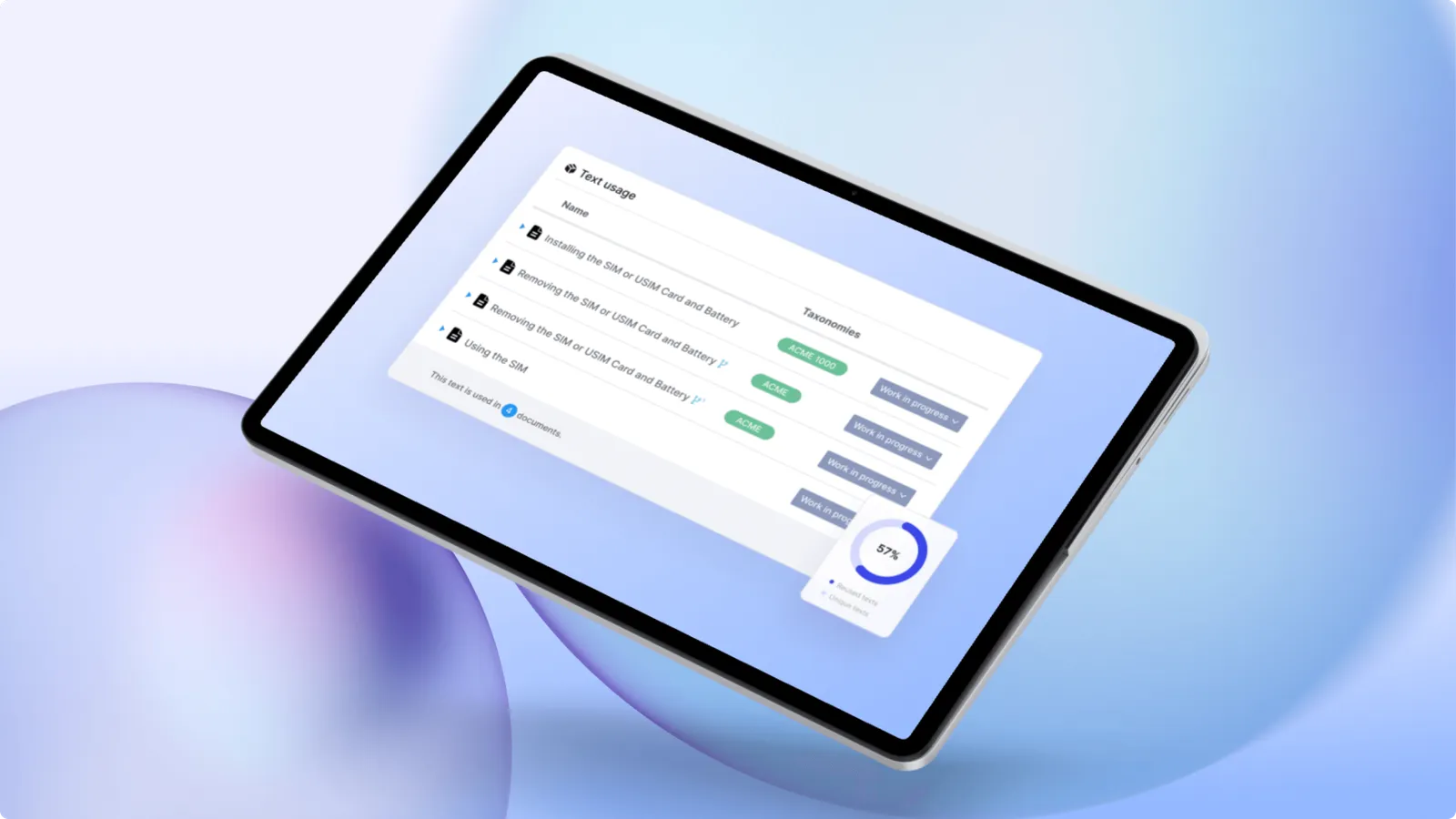
Old HAT: time to switch from a Help Authoring Tool to a CCMS?

Information Architecture 101 for Technical Writers

Efficient Technical Documentation: Why You Need to Separate Content & Layout